Stock is cash tied up, and in most companies it is decided in Excel. Rungle set out to answer three questions about a multi-tier network: where the stock is, where it should be, when to move it. Behind it, a constraint solver. In front, the problem with this kind of product: constrained optimisation is an engineer's subject, and the people who know the real constraints are planners. As long as the rule has to be written by a solver specialist, the product never leaves the lab.
The rule, and its translation underneath
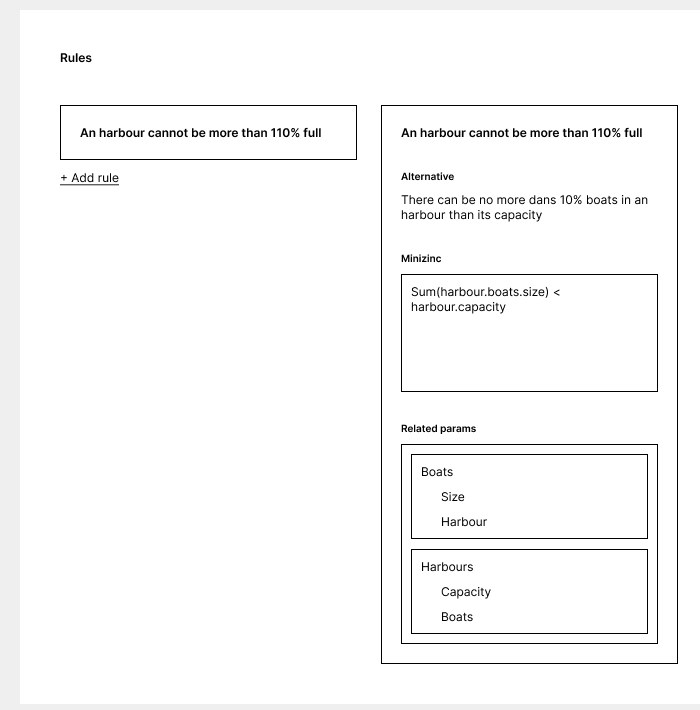
The user writes the rule the way they would say it. Just underneath, the interface shows what the solver understood, in its own language, with the parameters the sentence calls on. The user keeps control of the translation: if it is wrong, they see it before running anything. The language model is there to formalise the rule and to explain the recommendation. The decision itself stays computed and verifiable.
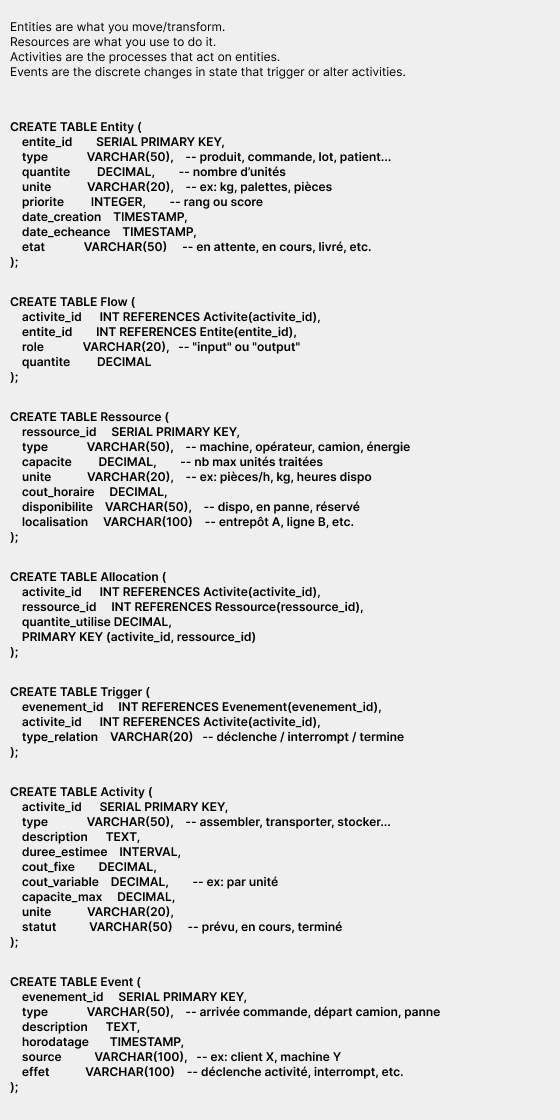
The model before the screens
Anything that can be written in a rule has to exist in the model. Four notions are enough.
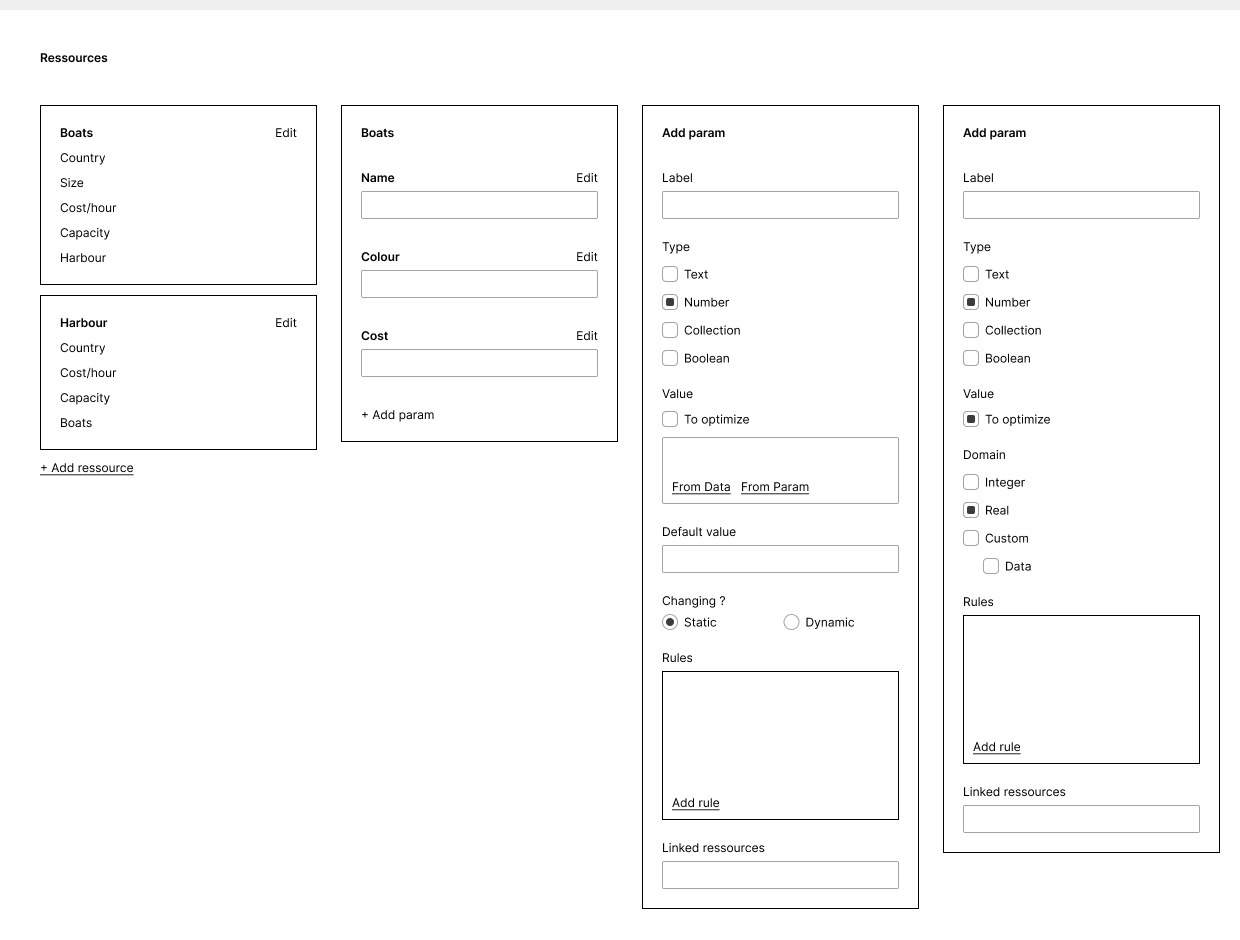
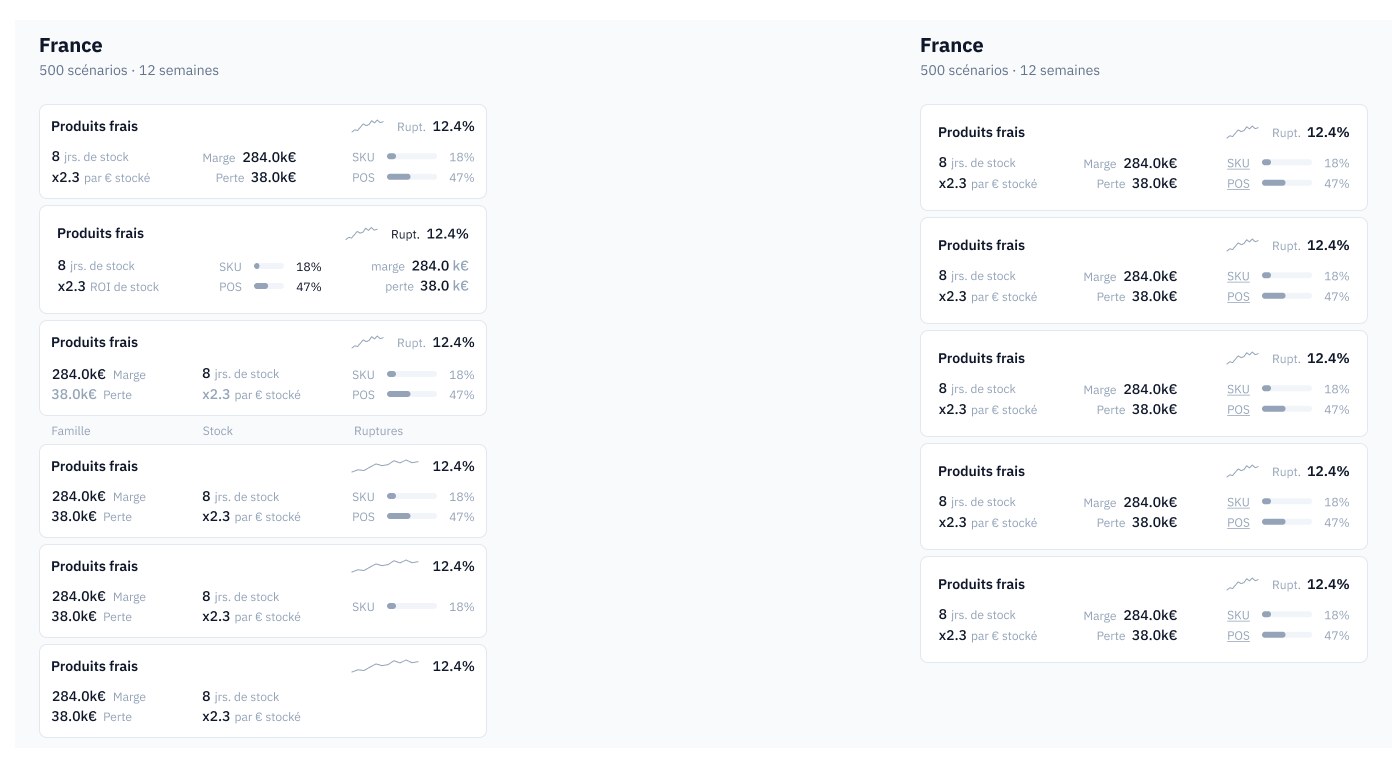
The running application
What the field taught
“SKU” does not mean the same thing to different teams within the same company. A brand selling on several marketplaces cannot arbitrate its stock between them, because the policies and promotion windows differ. Forecasts are assumptions, and they are better treated as such, signed, than as data.
The stopping criterion
A pilot customer signed by the end of January 2026, or we stop.
The criterion was set before starting, by the two of us, so that we would not have to decide it at the moment it would hurt. At the end of January, no pilot customer. Rungle stopped in early 2026.